

Jeju matcha: real matcha, from Korea's first spring harvest
Home › Ingredients › Matcha
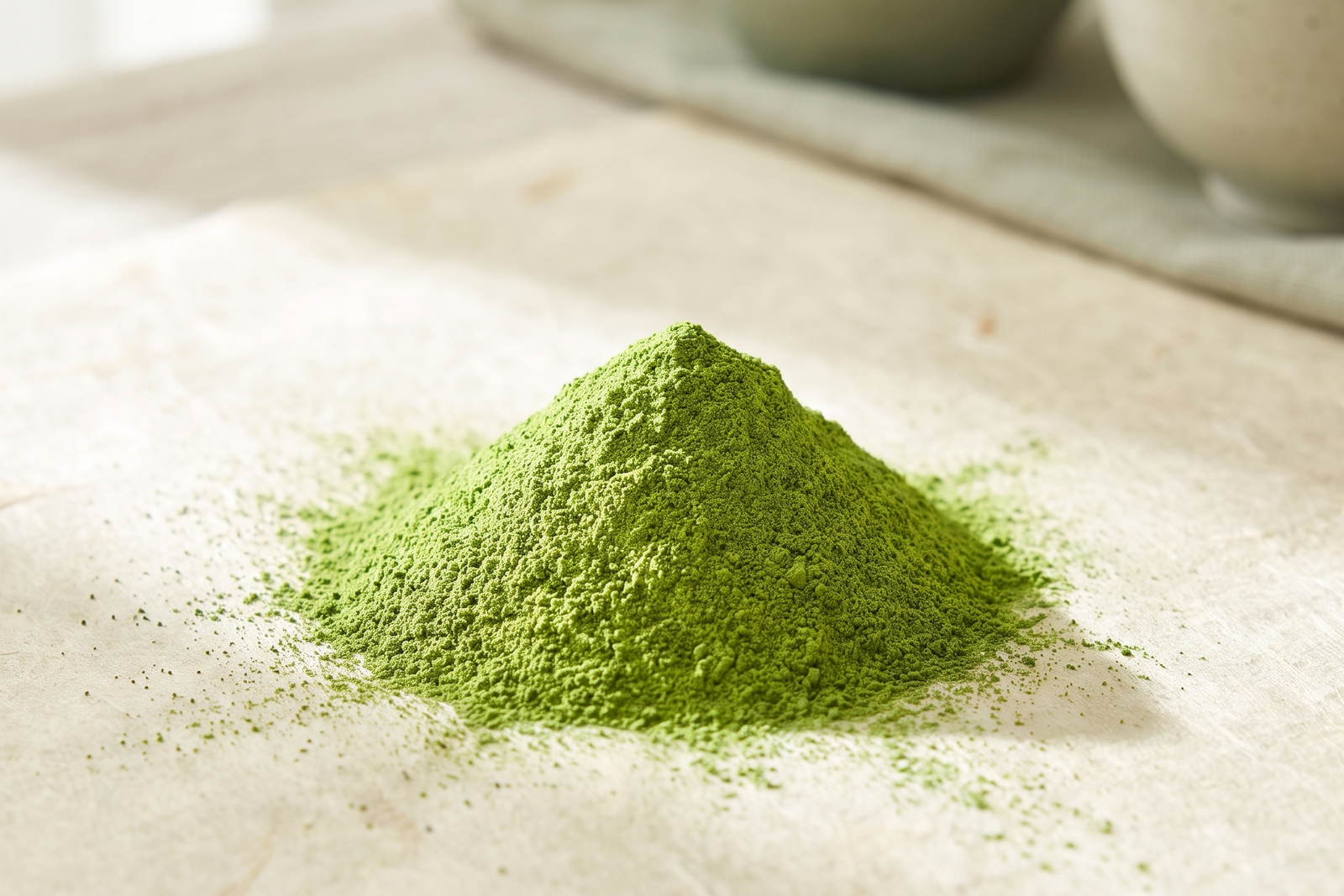
Many people assume matcha has to come from Japan. What makes it matcha is how it's made.
Ours comes from the first spring harvest on Jeju, Korea's volcanic island.
It grows on Jeju
Much of Jeju sits on volcanic ash soil. It drains easily and still holds moisture, which tea plants like. Spring comes early here, so the first harvest does too.
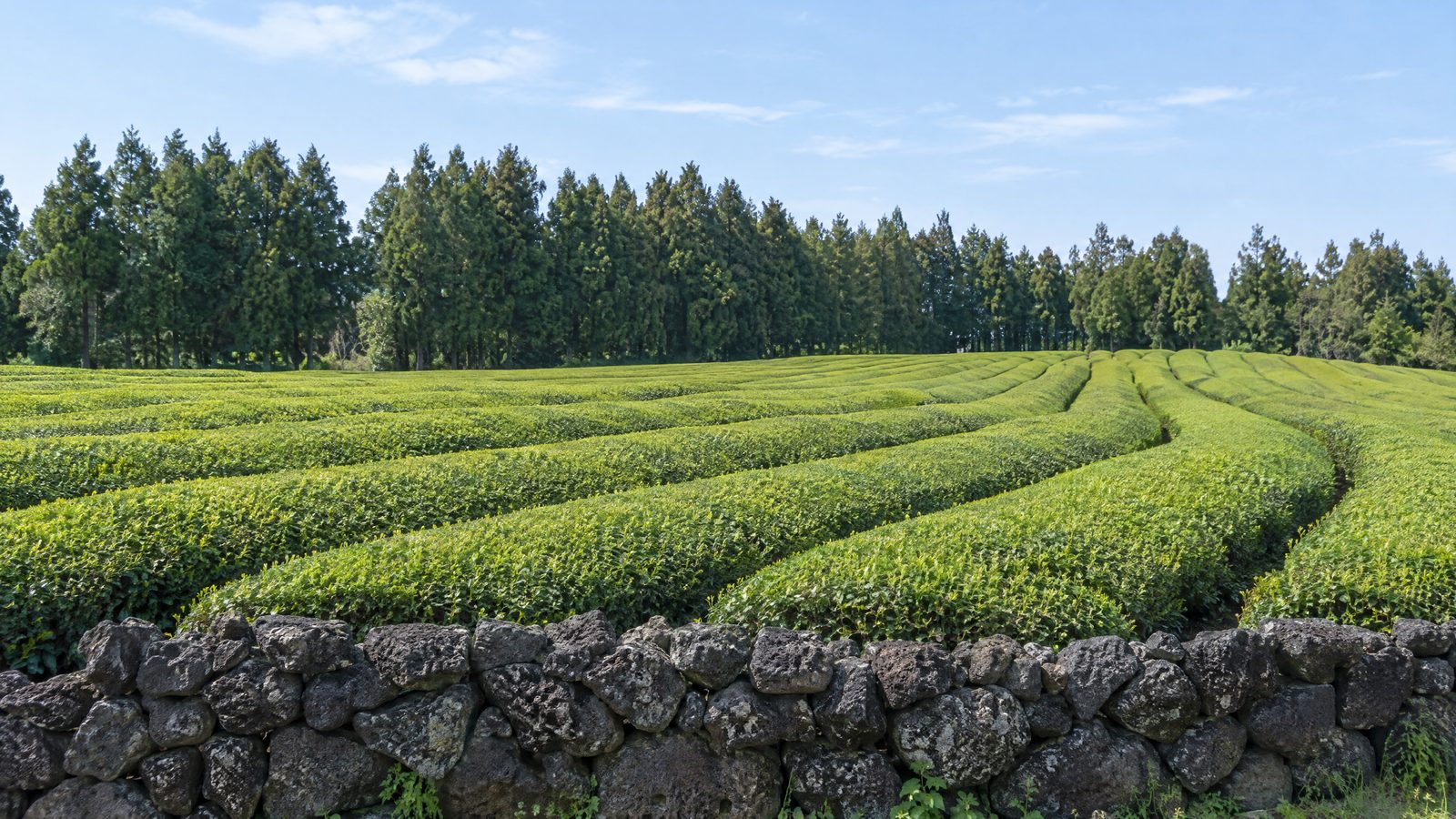
Jeju, Korea's UNESCO-recognized island.
Grown in the shade
For the last weeks before picking, the tea plants are covered.
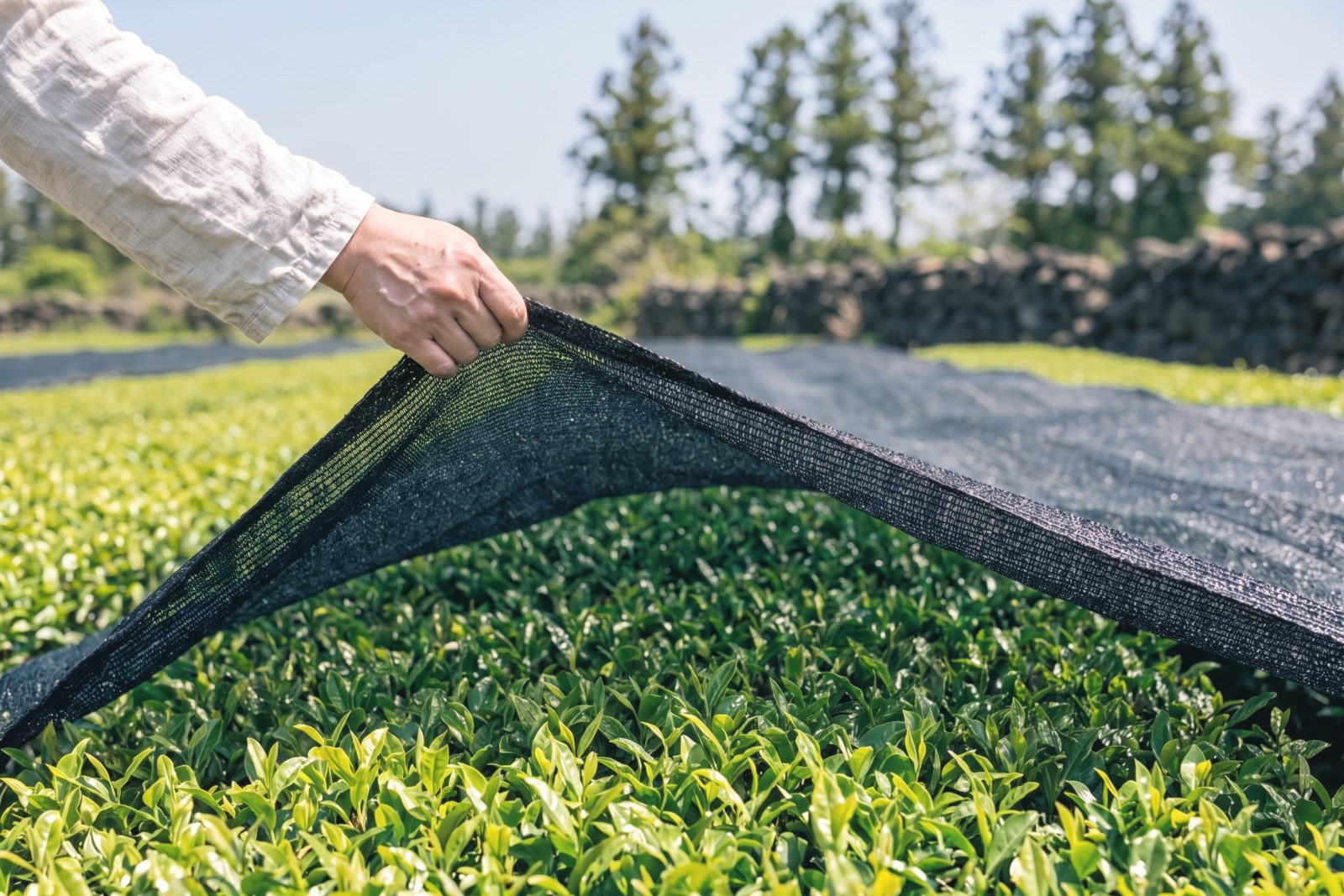
Shaded before picking
More savory. Deeper green. Less astringent.
In full sun
Less savory. Lighter green. More astringent.
How it's made
-
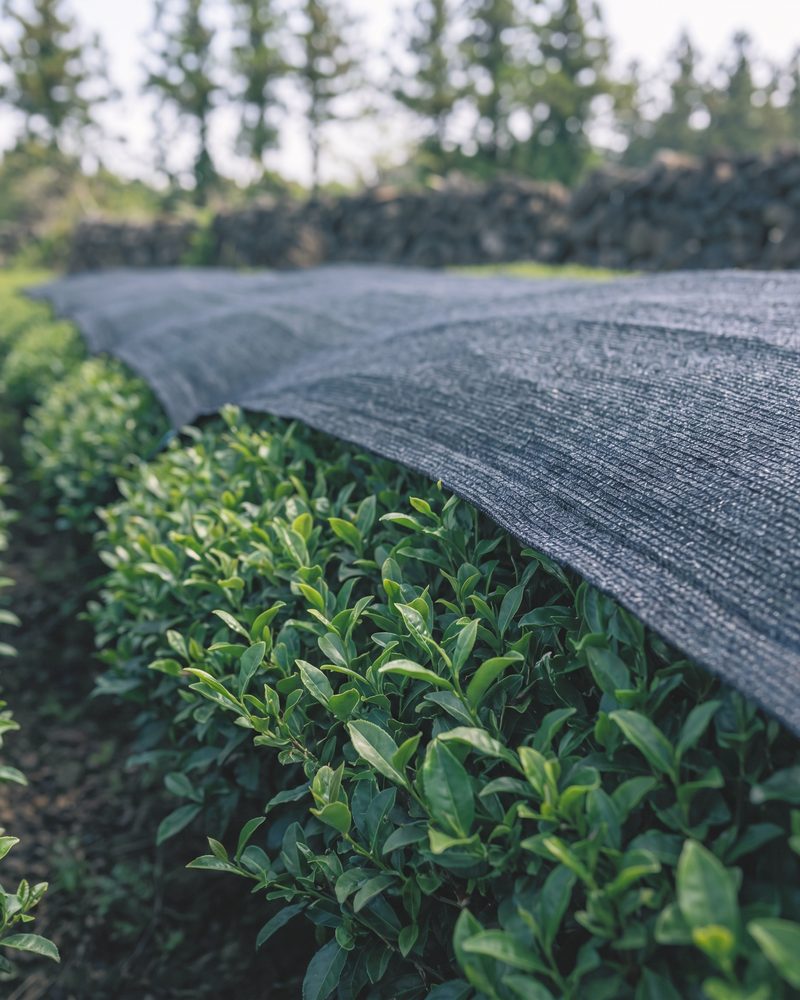 ShadeCovered before the first harvest
-
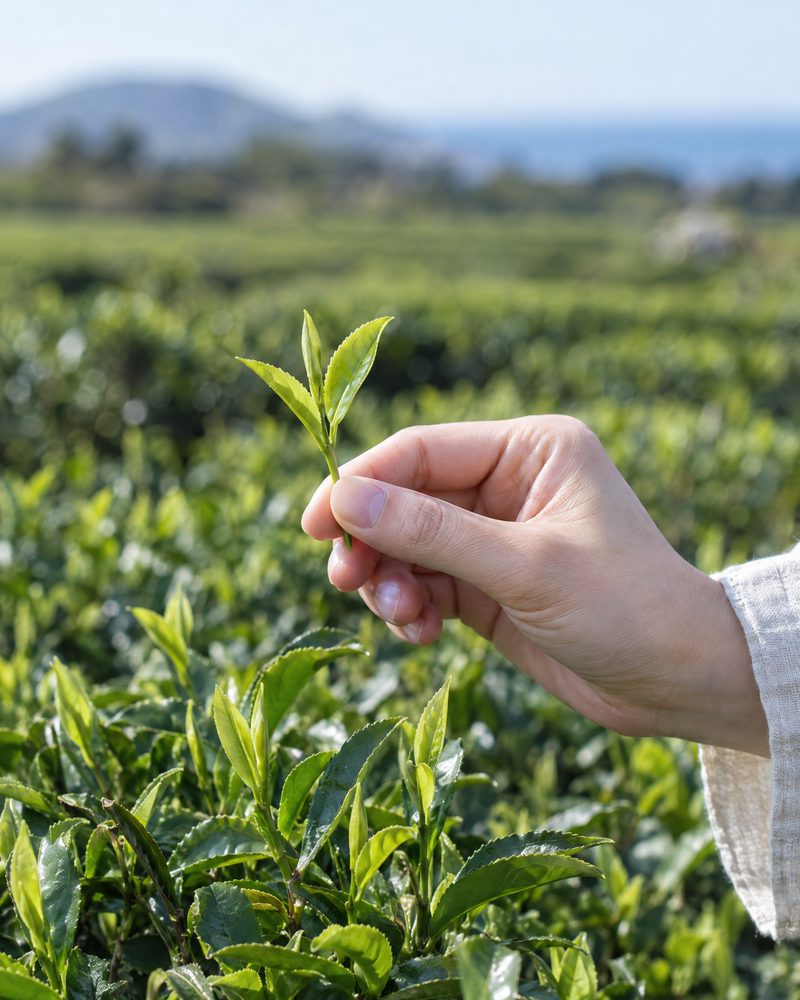 PickThe first spring leaves
-
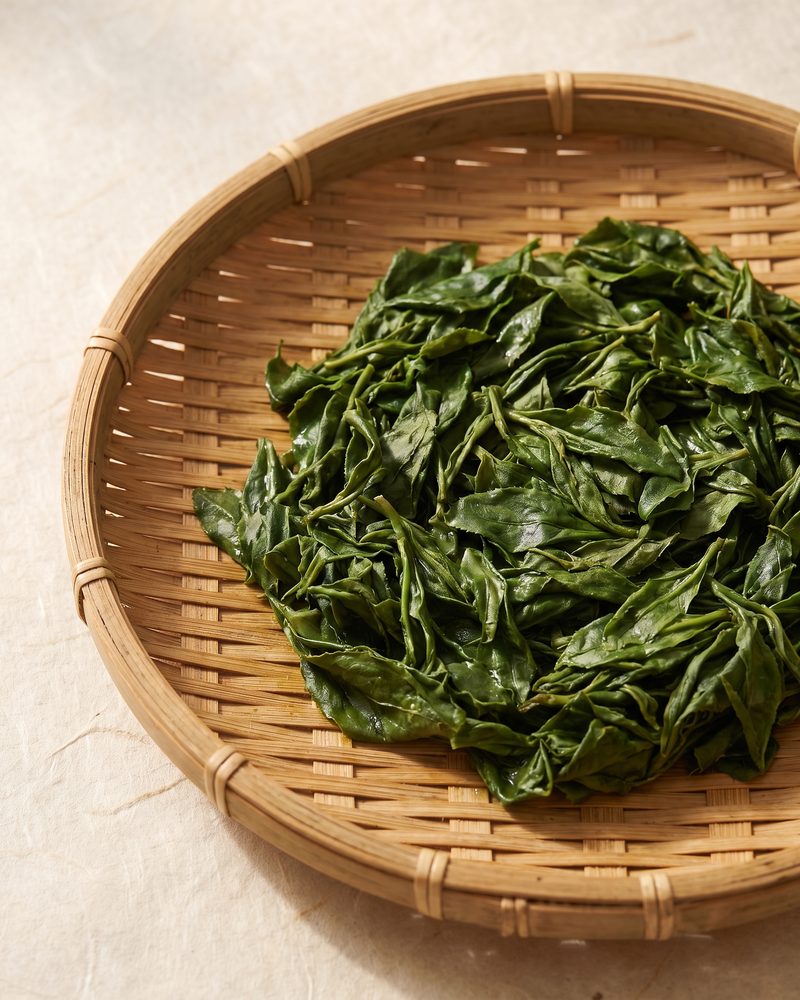 SteamKeeps the color and flavor
-
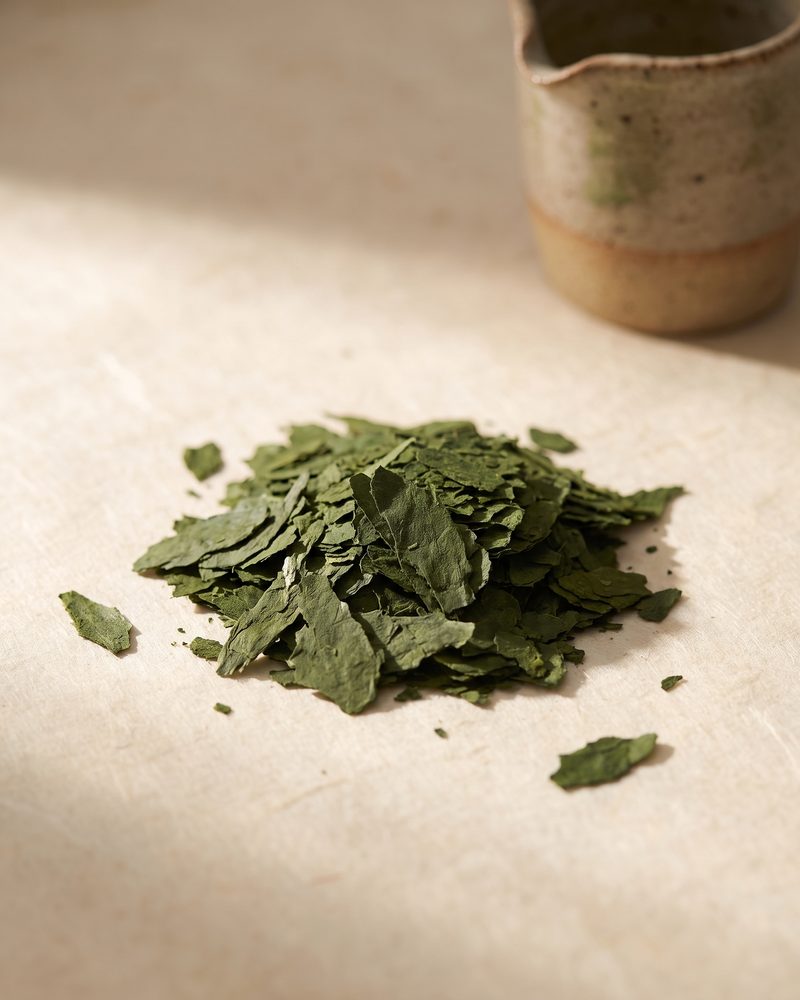 Dry flatNever rolled, stems removed
-
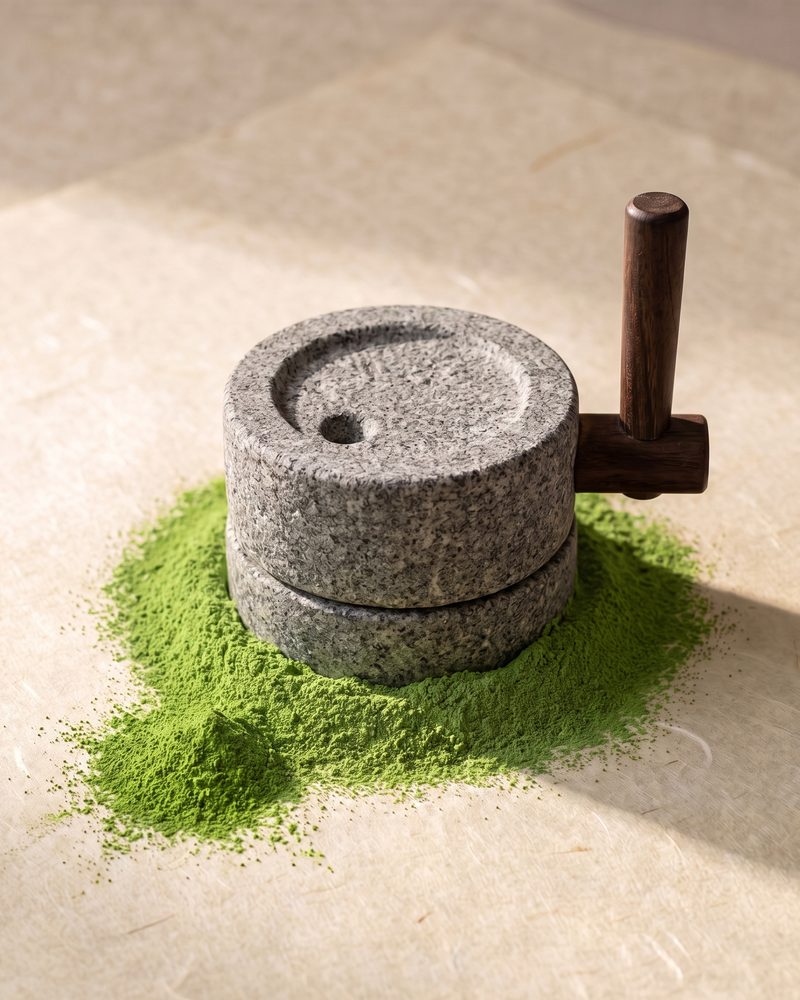 GrindInto a fine powder
All three ONDO matcha blends use this matcha, packed in a foil-lined, nitrogen-flushed pouch and tested as a finished product. See the lab results
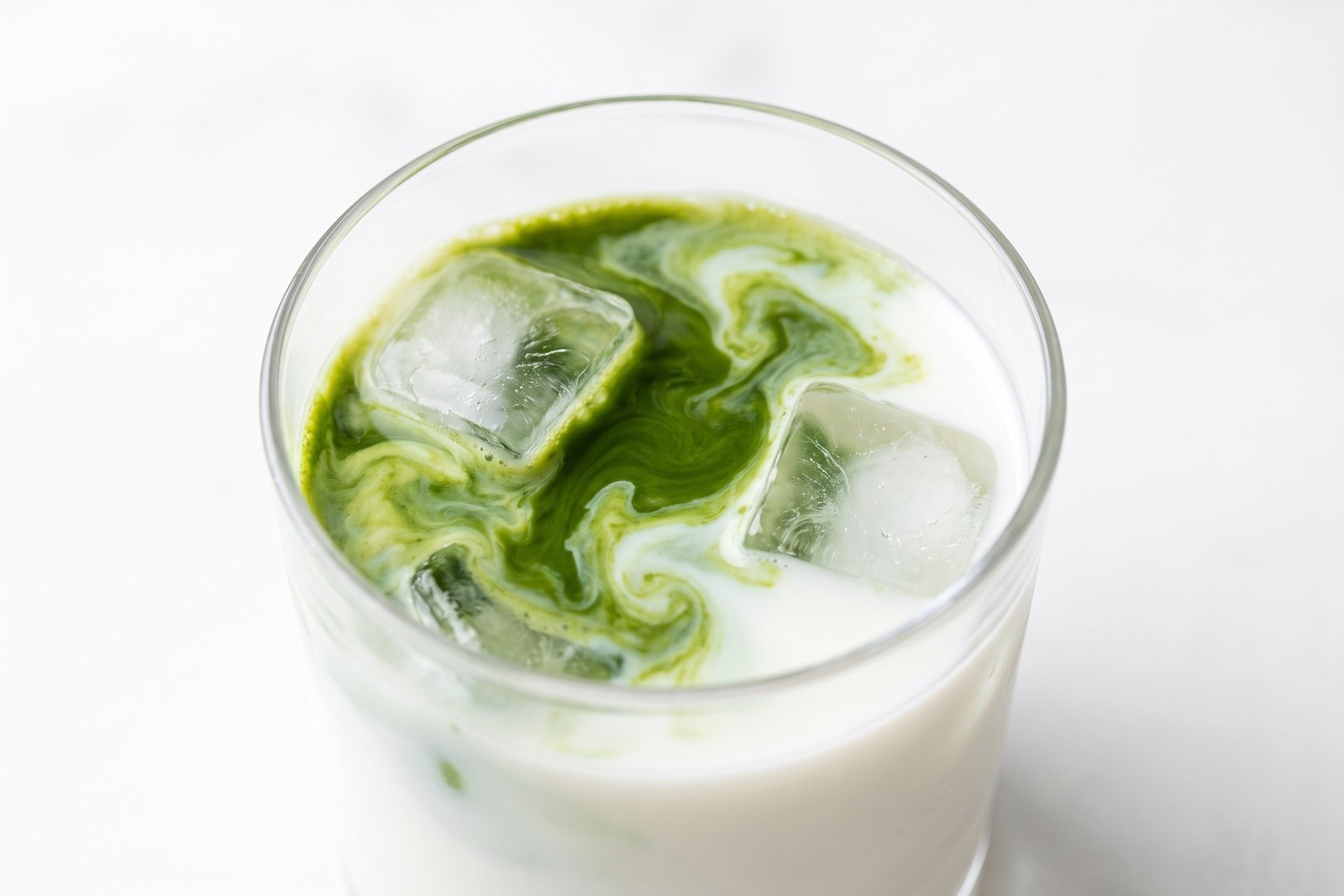
How to make it taste right
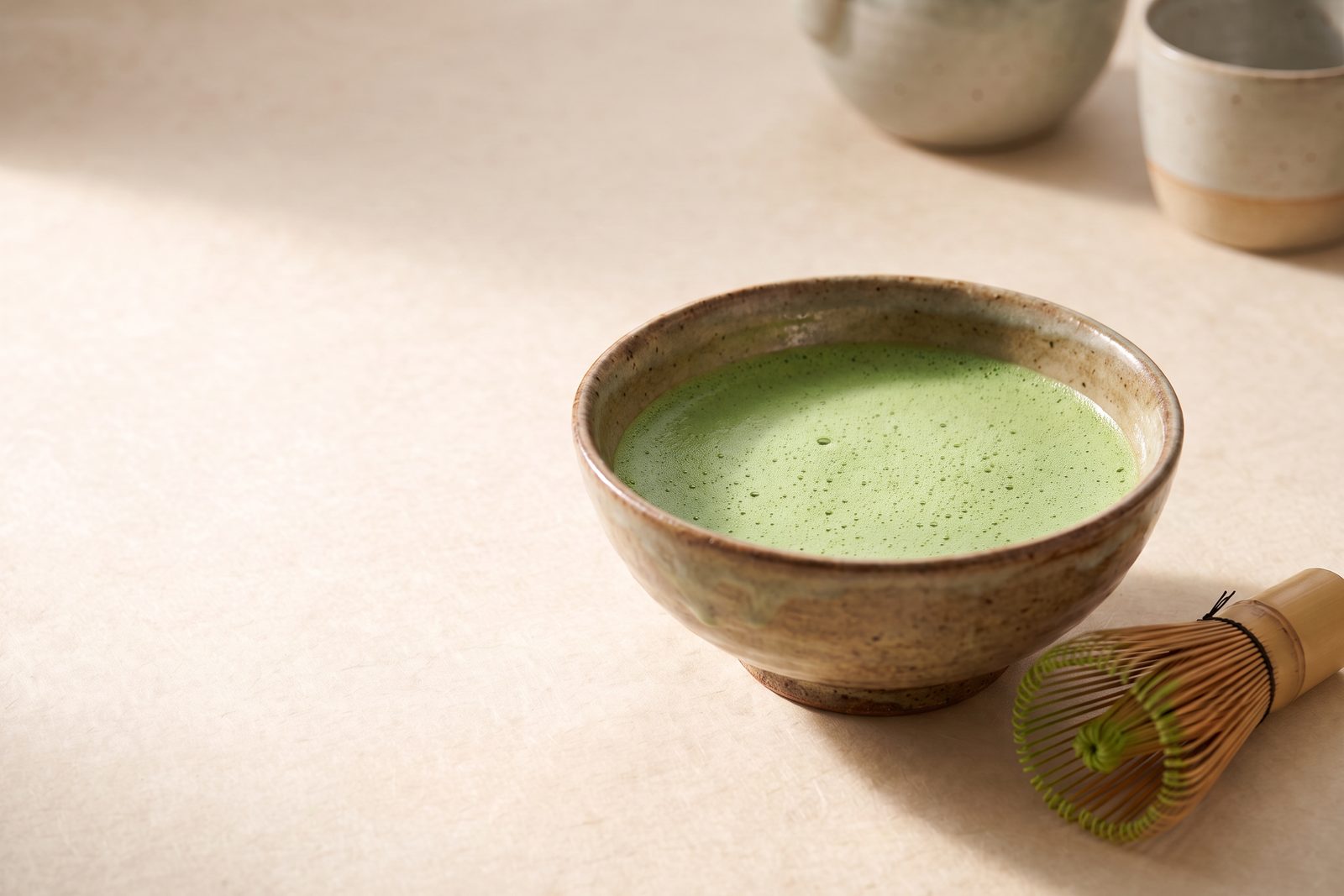
| Focus Mushroom Matcha | 1 tbsp to 5 fl oz of water, hot or cold, or 6 fl oz of milk |
| Prebiotic Matcha | 2 tbsp to 5 fl oz of water, hot or cold, or 6 fl oz of milk |
| Unsweetened | About 2 tsp to 7–9 fl oz of milk |
Mix the powder with a small splash of liquid to make a paste, then add the rest and whisk until smooth. Keep the bag sealed in a cool, dark place.
What it does
Clear head, steady energy.
Caffeine and L-theanine: matcha carries both, naturally. Nothing added.
Caffeine per cup. 70–80 mg is about a small latte. 150 mg is about a large latte.
Steadier attention with caffeine and L-theanine together than with caffeine alone.
Owen et al., 2008 · Nutritional Neuroscience · placebo-controlled · doi:10.1179/147683008X301513More alert, less tired, with the two together.
Giesbrecht et al., 2010 · Nutritional Neuroscience · placebo-controlled · doi:10.1179/147683010X12611460764840Faster on a reaction task, and less mental fatigue.
Haskell et al., 2008 · Biological Psychology · randomized, double-blind, placebo-controlled, crossover · doi:10.1016/j.biopsycho.2007.09.008Studies of the ingredients, not of this cup.
In these cups
 Focus Mushroom Matcha
 Prebiotic Matcha
 Focus Mushroom Matcha (Unsweetened)
Why 1.6 g and 3 g → Why we make it this way
Sources
- Japan Tea Central Public Interest Incorporated Association · green tea labeling standards, tencha and shading · nihon-cha.or.jp
- Jeju Special Self-Governing Province Agricultural Research and Extension Services · green tea cultivation · agri.jeju.go.kr
- International Journal of Molecular Sciences, 2022 · shading and tea leaf quality · doi:10.3390/ijms232214169
- Kyoto Prefectural Tea Industry Research Institute · how to prepare matcha · pref.kyoto.jp
- UNESCO Global Geoparks · Jeju Island · unesco.org

Modern rituals inspired by Seoul.